Fiberglass, Cellulose or ROCKWOOL for a Blown-In Attic?
Any of the three can reach the target R-value in an open attic. What decides it is settling, dust, moisture and what is already up there.
Fiberglass or cellulose is the choice that comes up before any blown-in attic job, and loose-fill mineral wool, sold as ROCKWOOL, is the third option. Each one can reach the target R-value in an open attic. Where they differ is settling, dust, moisture and what is already lying on your ceiling. Our crew works the same way whichever one goes in: first we seal the ceiling, then we set baffles at the eaves, and last we blow the insulation in to full depth.
Blown fiberglass
Blown fibreglass is spun glass fibres chopped into small tufts and blown through a hose from a blowing machine set up outside. It is light, so even a deep layer puts little weight on your ceiling drywall. Glass does not absorb water. If a roof leak drips onto it, the fibres dry out and keep their shape once the leak is fixed.
The catch is handling. Loose fibreglass itches on bare skin, so our crew works in long sleeves and gloves. On the day you will see a hose running from the machine outside up to your hatch.
Every bag has a coverage chart printed on it. The chart gives the depth the installed layer has to reach for each R-value, and how much area the material covers at that depth. Before we blow anything, we staple depth rulers to the ceiling joists so you can see from the hatch how deep the layer went.
Cellulose
Cellulose is shredded paper treated with a fire retardant, and it goes in the same way as fibreglass. It is denser, so it packs tight around wiring and junction boxes and slows down air moving through the layer.
It also settles more than fibreglass. The layer sinks after it goes in, so the coverage chart lists a settled depth. We blow above that line, which means the attic still meets the target after the material packs down.
The downside of cellulose insulation is water. It soaks up moisture, mats down and loses depth. A slow roof leak or a bathroom fan venting into the attic can leave a damp, flattened patch that has to come out. It is dusty to install, too, so we cover the floor under the hatch before the hose goes up.
Mineral wool (ROCKWOOL)
Loose-fill mineral wool is stone wool, which is rock melted and spun into fibres. ROCKWOOL is a brand name. A lot of people search for the brand when they mean mineral wool in general.
Mineral wool is heavier than fibreglass. The fibres resist fire and shed water instead of soaking it up, so a wet patch dries out without matting down like cellulose.
You see it less often as a blown product than the other two. It turns up more as batts. On ROCKWOOL vs fiberglass attic insulation, both handle moisture well. Mineral wool brings extra weight and fire resistance. Fibreglass stays lighter, which matters on an older ceiling.
Side by side
This is the fiberglass vs cellulose attic insulation comparison, with mineral wool added, on what you would actually check from the hatch:
- Settling: cellulose settles the most, so we blow it above its settled depth. Blown fibreglass and mineral wool hold their depth better.
- Dust when installed: cellulose puts the most dust into the attic and the hallway below. Fibreglass goes in cleaner but itches to handle, and mineral wool sheds fine fibres of its own.
- Moisture: fibreglass and mineral wool do not absorb water. Cellulose does, and a soaked patch has to be pulled out and replaced.
- Mice: none of them keeps mice out. Mice tunnel and nest in all three, and any section with droppings comes out before new material goes in.
- Blowing over old insulation: any of them can go over a dry, clean existing layer. Cellulose and mineral wool are heavier, so they squash a fluffy old layer more than fibreglass does.
How we choose for your attic
We pick the material by looking at the attic the way we work. First, what is already there. Dry, even fibreglass can stay and get topped up. Wet, matted or rodent-damaged insulation comes out through attic insulation removal before anything new goes in. If the old material is grey-brown and pebbly like vermiculite, our crew stops, leaves it alone, and recommends that a qualified lab or abatement firm test it before the job goes any further.
Then, how much room there is. A low roof slope leaves little height over the top plates, and the baffles have to hold the soffit vents open before any loose-fill goes in. The target R-value, covered in how much R-value an Ontario attic should have, becomes a depth on the coverage chart of whatever material we use.
Last, signs of past moisture. Stains on the roof deck, or rusty nail tips poking through it, steer us away from cellulose until whatever is letting the water in gets fixed.
You can check most of this yourself with a flashlight and a tape measure. Stand the tape on the ceiling drywall between two joists and read how deep the existing layer is. Run the light along it looking for dark or flattened patches, then look toward the eaves for daylight at the soffit vents.
The written estimate names the material and the depth it goes to, so you know what is going into your attic before our crew starts.
Related questions
Neither wins in every attic. Both reach the target R-value and neither absorbs water. ROCKWOOL mineral wool is heavier and resists fire, so it suits an attic where extra weight on the ceiling is not a worry. Blown fibreglass is lighter and easier to get as loose-fill, which makes it the usual pick for older ceilings and big open attics.
The main downside of cellulose insulation is that it absorbs water and mats down when it gets wet. It also settles more than fibreglass, so it has to go in above its settled depth, and it is dusty while it goes in. In a dry attic under a sound roof, it works fine.
Yes, cellulose can go over old fibreglass if the fibreglass is dry and has no droppings in it. First we pull the old layer back at the top plates to air seal the ceiling, and we set baffles at the eaves. Then we blow the cellulose above its settled depth on the coverage chart. Wet or rodent-damaged fibreglass comes out before any new material goes in.
Services
How we can help in North York
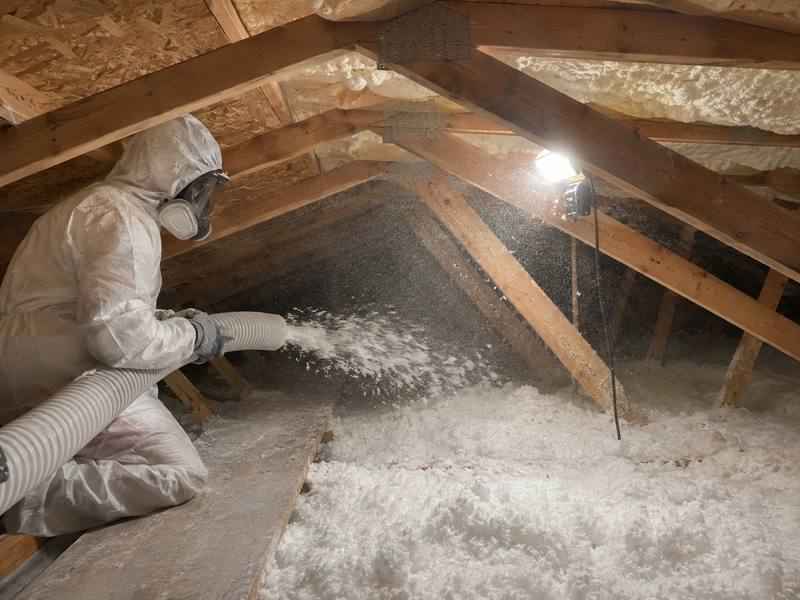
Blown-In Insulation
Loose fibreglass or cellulose, blown across your attic floor once the ceiling is sealed and the eaves have baffles.
Learn more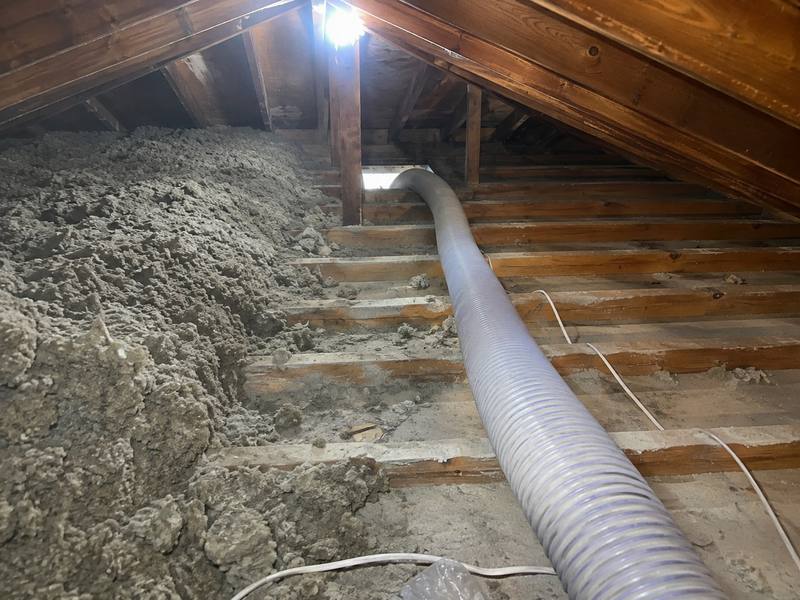
Attic Insulation Removal
We vacuum out old insulation that is wet or damaged by rodents, seal the bare ceiling, then blow new insulation in to full depth.
Learn more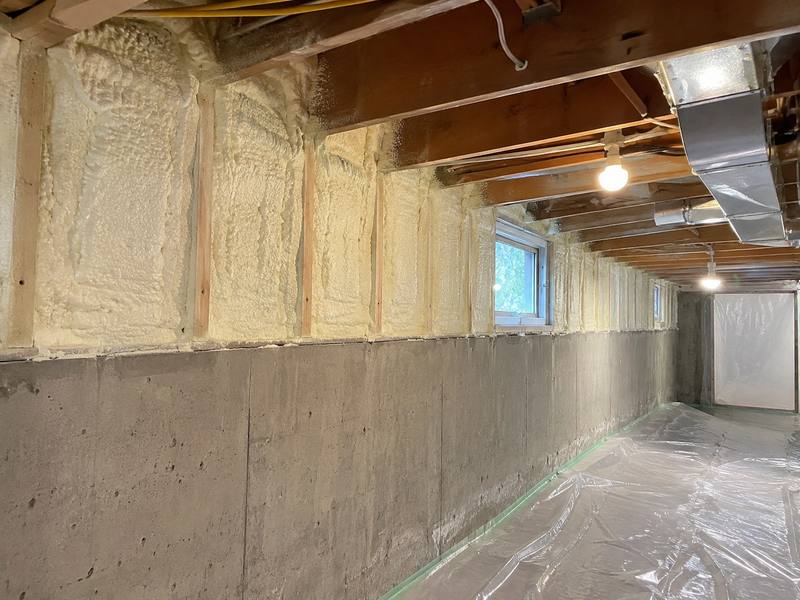
Spray Foam Attic Insulation
Foam for sloped ceilings, knee walls and rim joists. Blown-in wherever an open attic floor will take it.
Learn more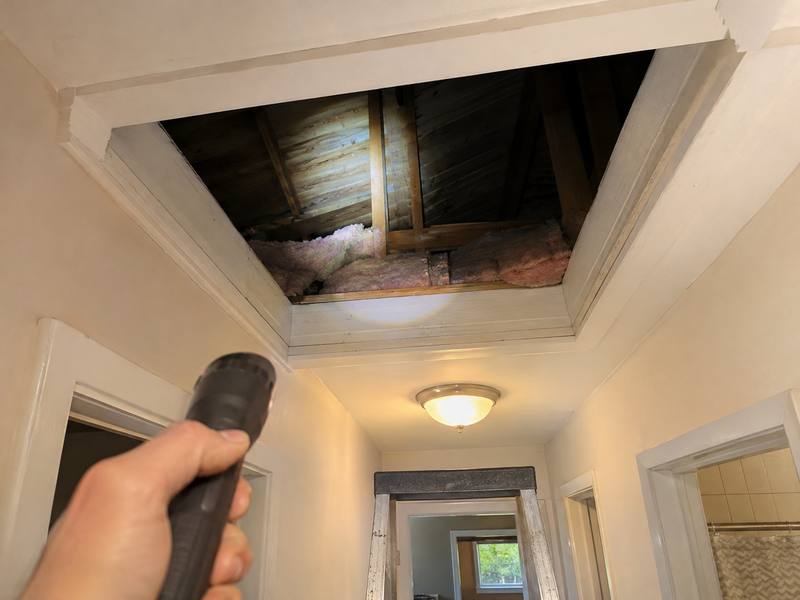
Attic Insulation Rebates & Cost
How the Home Renovation Savings rebate works for an attic job, and what sets the price of the work.
Learn more
Get a quote
Book an attic insulation inspection in North York
Call (437) 525-3774 or send the form. We'll look in your attic, tell you what it needs and give you a written estimate.