Elite Insulation North York: Attic Insulation in North York, ON
We seal the leaks in your attic floor first, then blow in insulation to full depth.
- Serving North York & 12 neighbourhoods
- Open 24 hours
What we do
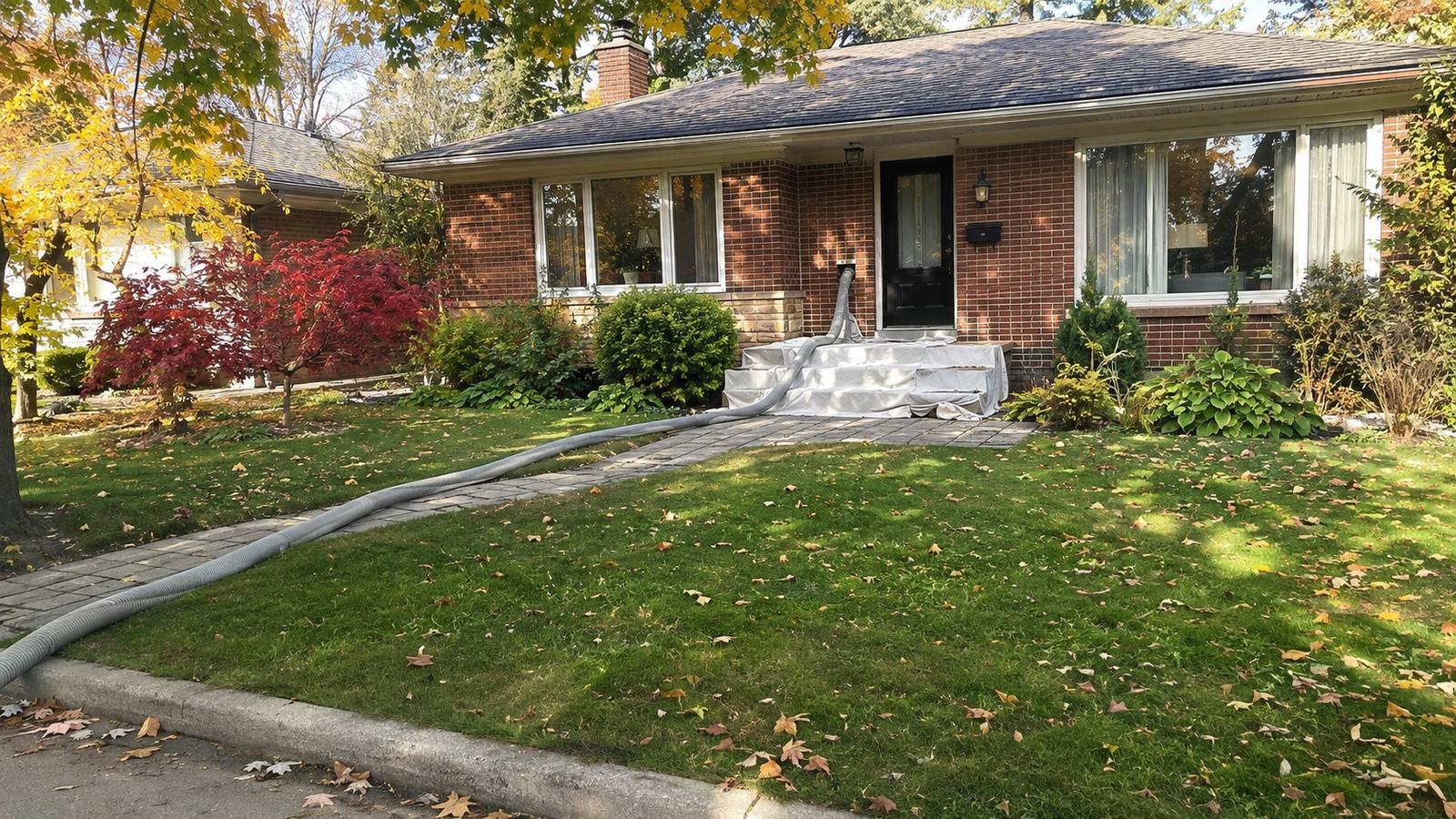
Elite Insulation North York does attic insulation in Bayview Village and across North York: blown-in insulation, attic insulation removal and spray foam, with straight answers on rebates and cost.
About us
About our attic insulation crew in North York
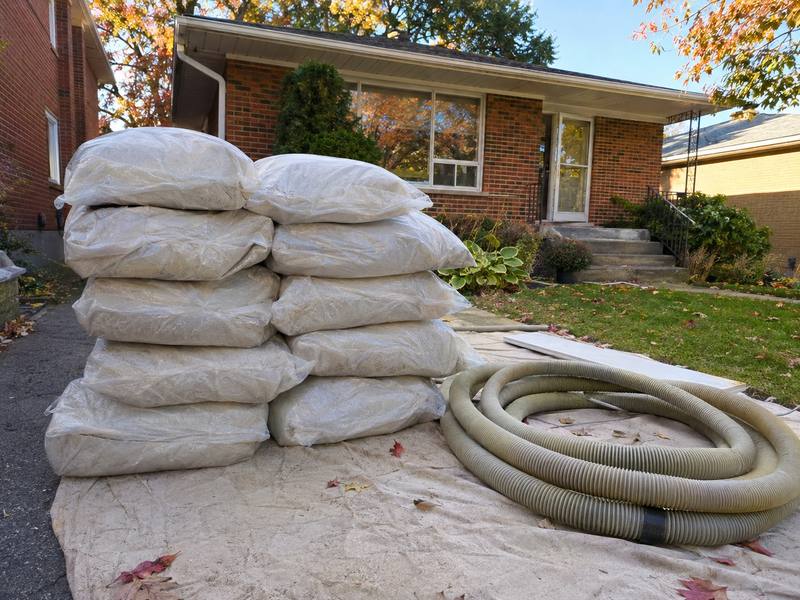
We insulate homes in Bayview Village, Willowdale, Don Mills, York Mills and the rest of North York. Our main work is attics, including post-war bungalows and side-splits.
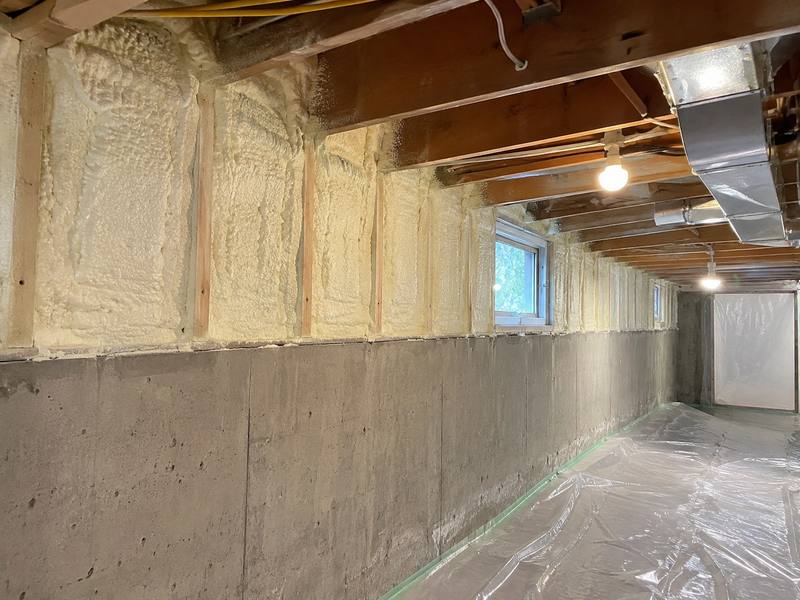
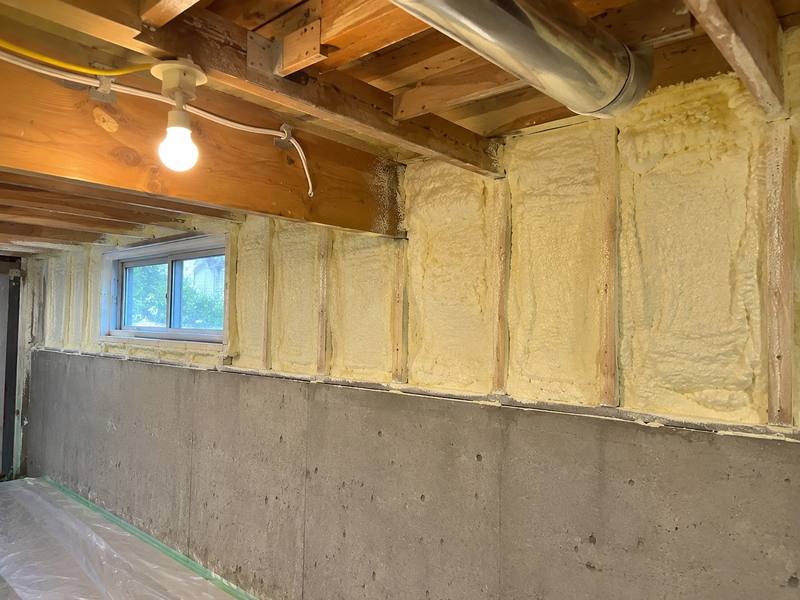
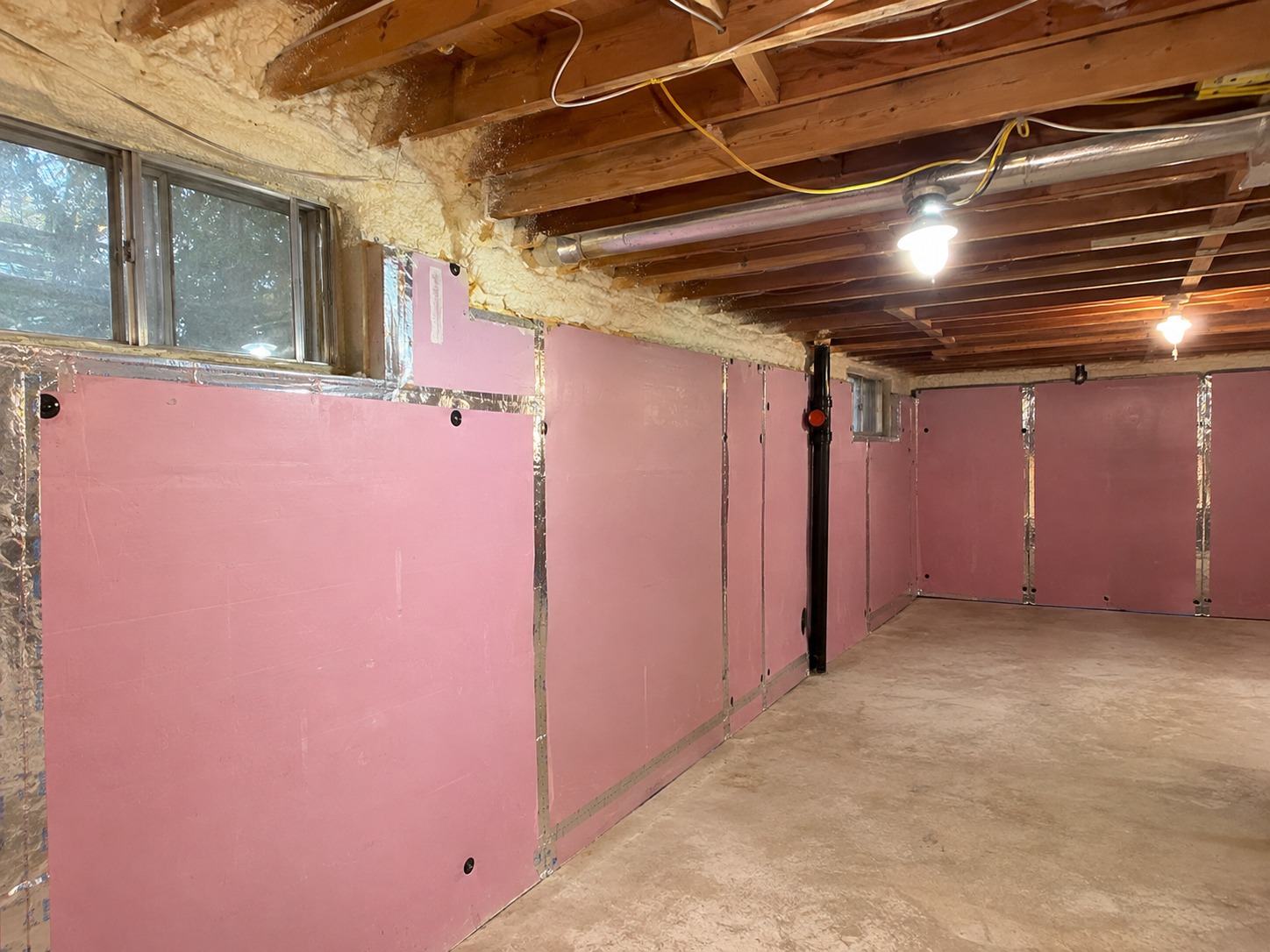
Outside the attic, we spray foam rim joists and cathedral ceilings, dense-pack walls, insulate basements and crawl spaces, and take out old, wet or rodent-damaged insulation.
- We look in the attic first. From the hatch we check how much insulation is already there, look for damp or dark patches and signs of animals, and see whether air can move from the soffit vents to the roof vents. Nothing goes on paper until we've looked.
- We seal before we blow. We seal the top plates, wiring holes, plumbing holes, light boxes and the attic hatch before any insulation goes in. Once the attic floor is covered, any leak we missed stays buried.
- We tell you what the attic needs. If a top-up over dry, clean insulation will do, we say so. If the old layer has to come out first, we show you why before it goes on the estimate.
Seal, baffle, blow: the order we insulate an attic
Every attic we insulate goes in the same order. First we seal the ceiling, then we set baffles at the eaves, and last we blow insulation in to full depth. The order matters because once the insulation is down, any leak under it is buried. Nobody is going to dig back through a full attic looking for a gap around a light box.
Step 1: Seal the ceiling
Our crew starts by air sealing the attic from above, before any insulation goes in. We seal the attic hatch, the top plates where interior walls meet the attic floor, and the holes drilled for wiring and plumbing. We also seal around the edges of the light boxes in the ceiling below. If a bathroom fan duct or other ductwork runs through the attic, we seal the duct joints so warm, damp air stays in the duct until it leaves the house.
Step 2: Baffles at the eaves
Then we fit baffles between the rafters at the eaves. A baffle holds a clear channel open above the insulation, so air coming in through the soffit vents can travel up under the roof deck and out the roof vents. Skip them and the blown insulation drifts into the eaves and chokes off the roof ventilation.
Step 3: Blow in to full depth
Last, we fix depth rulers to the ceiling joists across the attic and blow insulation in to full depth. The rulers stay up there, so anyone can open the hatch later with a flashlight and read the depth. Our blown-in insulation page covers blown-in fibreglass and cellulose and how each one goes in.
Bungalows and side-splits
Post-war bungalows and side-splits each need their own approach in the attic. A bungalow has one attic over the whole floor. The eaves sit low, so the space between the roof deck and the top plates gets tight at the edges, and that's where baffles matter most. Leave them out and a full-depth layer can block the soffit vents along a whole wall.
A side-split has roof sections at different heights. Each section is its own attic, some with a small hatch and some with no hatch at all. We do them one at a time: seal, baffle and blow one section, then move on to the next. If a section has no way in, the estimate says so and explains how we plan to get to it.
How much insulation to aim for
Under SB-12, a new Zone 1 house needs at least R-60 over its attic ceiling in packages A1, A2, A4 and A6; packages A3 and A5 allow R-50. SB-1 puts North York at 3760 heating degree-days, under the 5000 that marks Zone 1, so those are the numbers that apply here.
In an existing attic, those numbers are a target, not a rule. The code is written for new construction, and an older attic can have framing, wiring or a low roof that sets its own limit. SB-12 also allows less ceiling insulation directly above access hatches and near the eaves where the roof slope and ventilation clearances make it necessary. So if the layer is thinner at the edge of a bungalow attic than in the middle, that can still be right.
R-value is how well a material resists heat flow. Your written estimate gives the target R-value for your attic and the depth of material it takes to get there.
Where blown-in can't go
Blown-in insulation needs an open attic floor with room above it, and some parts of a house don't have that. In a sloped or cathedral ceiling, the roof deck sits right above the drywall and there's no attic to fill. Knee walls in a finished upper storey stand upright, and loose insulation won't stay against them. Rim joists in the basement, where the floor framing sits on the foundation, are narrow pockets full of air leaks.
That's where we use spray foam. It goes on wet, expands into the gaps and sets, so one layer seals and insulates. On an open attic floor with room for depth, blown-in does the same job for less.
Moisture, mould and the bathroom fan
Dark or damp patches in the insulation, or frost on the underside of the roof deck in winter, mean moisture is getting into the attic. It usually comes from one of three places. Warm air leaking up from the house carries moisture that condenses on the cold deck. A roof leak soaks the insulation from above. Or a bathroom fan duct ends in the attic instead of at a vent outside, and blows damp air straight onto the insulation.
The cause gets fixed before any new insulation goes in: a roofer fixes a leak, we seal the air leaks and check where the fan duct ends (a fan that needs rerouting goes to the right trade), or the new layer just gets wet the same way the old one did. If mould is growing on the framing or roof deck, that's a job for a mould remediation specialist, not us. We come back once they're done.
Hot upstairs in summer, heat lost in winter
Summer heat and winter heat loss both go through the attic. In July the sun bakes the shingles and roof deck. If the insulation is thin, that heat works down through the ceiling, and the bedrooms right under the roof feel it first.
In January it runs the other way. Air leaks at the top plates, light boxes and attic hatch let warm air out of the house and into the attic. That air warms the roof, the snow on it melts, and the water runs down to the cold eaves and freezes again. Ice dams and long icicles along the eaves are how you can tell. Sealing those leaks and bringing the insulation up to depth takes care of both seasons.
When the old insulation comes out first
Dry, clean old insulation can usually stay put, and we blow the new layer over it. Insulation that is wet, looks mouldy or has been torn up by rodents comes out first. It has lost its loft, and whatever got into it stays in your attic until someone takes it out.
If animals have been getting into the attic, a pest-control company deals with them before we start. Our attic insulation removal page explains how we take the old material out and get the attic ready for sealing.
Vermiculite is a different matter. It's a loose, pebbly fill, grey-brown or gold, and it can contain asbestos. If our crew finds vermiculite, we stop, leave it undisturbed, and recommend that a qualified lab or abatement firm test it before the job goes any further.
What the attic inspection and written estimate cover
We inspect the attic and give you a written estimate before any work is booked. Whoever you end up hiring, an attic estimate should spell out each of these:
- The attic area to be insulated
- How deep the existing insulation is and what shape it's in
- The target R-value
- The material (blown-in fibreglass, cellulose or spray foam) and where each one goes
- The air sealing, spot by spot
- Where the baffles go
- Whether removal comes first
- How the attic hatch will be insulated and weatherstripped
- On a side-split, how each roof section will be reached
Questions to ask any installer
Ask these of all the attic insulation contractors quoting your house, us included. The answers tell you whether the job will be done in the right order.
- Will you seal the ceiling before you blow in insulation?
- Where will the baffles go, and will every soffit vent stay open?
- What depth will you leave, and how will I see it afterwards?
- What happens at the attic hatch?
- If there is a bathroom fan duct in the attic, will you check where it ends?
- What will you do if you find vermiculite?
Attic insulation rebates
Home Renovation Savings, from Enbridge Gas and Save on Energy, has an attic insulation rebate that doesn't require a home energy assessment. A separate assessment path may cover insulation and air sealing. Terms and conditions apply, and the program sets the amounts. Our attic insulation rebates and cost page explains how the program works and what moves the price of an attic job up or down.
Our work
What we work on
The job
How an attic insulation job goes in North York
Four steps, start to finish. Afterwards you can check the result yourself from the hatch.
Inspection
We measure the depth that's already there, look for moisture, animal damage and vermiculite, and check that the soffit vents can feed air up to the roof vents.
Seal and baffle
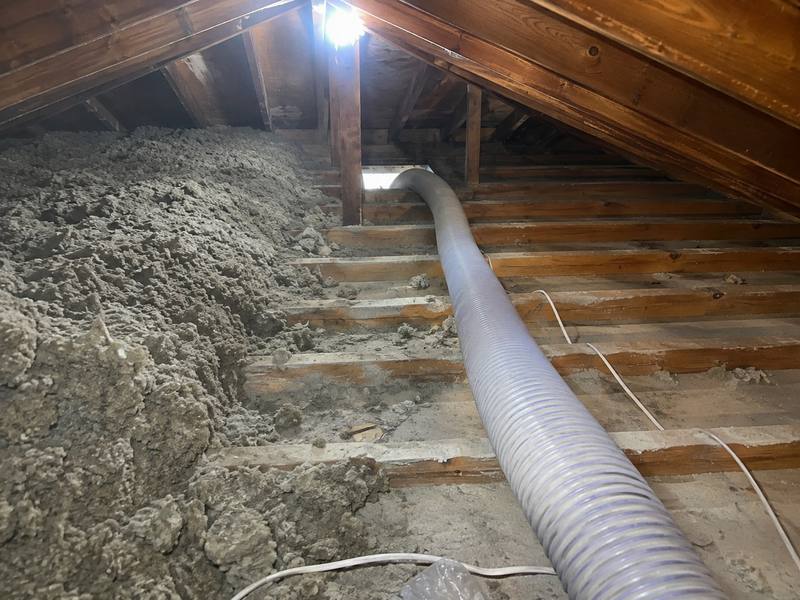
First we cover the floor from your door to the hatch. Then we seal the top plates, penetrations, light boxes and hatch, and staple baffles in at the eaves.
Blow and walk-through
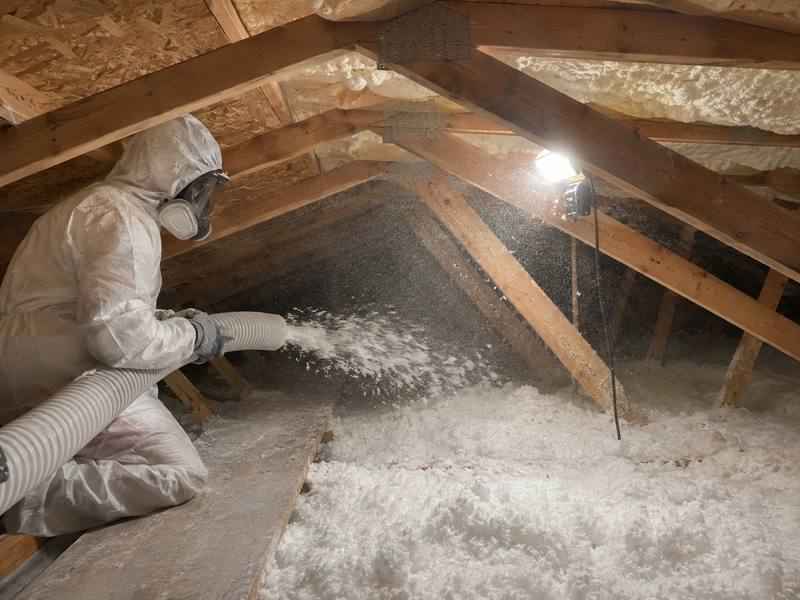
We fix depth rulers to the ceiling joists and blow insulation in to the depth on the estimate. Last, we clean up and show you the rulers from the hatch.
FAQ
Attic insulation questions from North York homeowners
The cost of insulating an attic in Canada depends on the size of the attic, how much insulation is already there, whether the old layer has to come out and how much air sealing it needs. All of that changes from house to house, so we only give a written estimate after we've inspected the attic. Home Renovation Savings rebates may lower the cost for homes that qualify, under the program's terms.
Not always. Dry, clean old insulation can usually stay, and we blow the new layer in over it. Insulation that is wet, looks mouldy or has rodent damage should come out first, or the new layer won't do its job. If our crew finds vermiculite, we stop and recommend that a qualified lab or abatement firm test it before the job goes any further.
North York is in Zone 1, where SB-12 asks a new house for at least R-60 in the attic ceiling under packages A1, A2, A4 and A6, or R-50 under A3 and A5. In an existing attic, treat those figures as a target, not a rule. SB-12 also allows less insulation directly above access hatches and near the eaves where the roof slope and ventilation clearances make it necessary.
It depends on whether there's an attic under the roof. An open attic floor with room for depth takes blown-in fibreglass or cellulose, with the air sealing and baffles done first. A sloped or cathedral ceiling with no attic space is a job for spray foam, because one layer seals and insulates.
No. The City of Toronto, which North York is part of, lists adding or replacing insulation as work that needs no building permit. The Zoning Bylaw still applies to the property.
Yes. An attic insulated at the floor keeps its roof ventilation. The baffles at the eaves hold the insulation back so air from the soffit vents can still get up to the roof vents. Where we spray foam the underside of the roof deck, that part of the roof is sealed on purpose.
Yes, the air sealing always comes first. We seal the attic hatch, top plates, wiring and plumbing holes, light boxes and any leaky duct joints before insulation goes in. Loose insulation slows heat down, but air moves right through it.
If our crew finds vermiculite, we stop and leave it alone. We recommend that a qualified lab or abatement firm test it before the job goes any further. We don't remove vermiculite ourselves.
Yes. All you need is a flashlight and a tape measure, and you can do it from the attic hatch. We fix depth rulers to the ceiling joists before we blow, so you can read the depth without climbing in. Stay on the hatch frame, and keep off the insulation and the drywall between the joists.
Areas
Insulation service areas around North York
We cover Bayview Village, North York and nearby Toronto neighbourhoods, including Willowdale, Don Mills, York Mills, Leaside and Bathurst Manor. Look for yours in the list below.

Get a quote
Book an attic insulation inspection in North York
Call (437) 525-3774 or send the form. We'll look in your attic, tell you what it needs and give you a written estimate.