Vermiculite in a North York Attic: Testing Comes First
Leave it alone and get it tested by a qualified lab or abatement firm. Our crew does no work in that attic until the result comes back.
Vermiculite in a North York attic means the job stops until the vermiculite has been tested, and our crew does not do the testing. If we open your hatch and see it, we stop, leave it as it is, and recommend that a qualified lab or abatement firm test it before the job goes any further. What happens next depends on the result. Any removal of the fill is done by an abatement firm; our crew only comes back for the sealing and new insulation, once the result or the abatement firm says the attic is ready. Ordinary old insulation is a different job, covered on our attic insulation removal page.
What vermiculite looks like
Vermiculite is a light, pebbly granule, grey-brown to gold, and it often has a shiny fleck that catches a flashlight beam. It was poured loose between the ceiling joists, so it sits in the bays like coarse gravel. It is not in batts and it is not a fluffy layer.
You can check for it yourself from the hatch. Stand on the ladder, shine a flashlight across the joists and look. Keep your hands out of it. Do not push into the fill or scoop some out for a closer look.
Sometimes it is hidden. If someone topped up the attic later, vermiculite can sit out of sight under newer fibreglass or cellulose. Look where the top layer has thinned, near the hatch or along the top plates, and you may see granules underneath. If you are not sure, treat it as vermiculite until a test says it isn't.
What Health Canada says
According to Health Canada, some vermiculite insulation may contain asbestos, and the risk comes when it is disturbed, for example in a renovation or a demolition. The concern is vermiculite ore from the Libby Mine in Montana, produced from the 1920s to 1990, which may contain asbestos and was mostly sold as Zonolite.
Not all vermiculite insulation produced before 1990 contains asbestos, but Health Canada says it is prudent to assume it may. You cannot tell by looking. The colour and texture above tell you it is vermiculite, and that is all they tell you. Whether there is asbestos in it is a question for a lab.
The same advisory says there is no evidence of a health risk if vermiculite insulation stays sealed or isolated in an attic, and that the best way to keep the risk low is to leave it undisturbed. That is why we handle it the way we do.
What our crew does when we find it
When our crew finds vermiculite, we stop work. We close the hatch, leave the fill exactly as we found it, and recommend that a qualified lab or abatement firm test it before the job goes any further.
Nothing happens in that attic until the result is known. Sealing, baffles and blowing all put someone on the joists and a hose in the fill, so none of them starts.
We never take a sample. Sampling disturbs the fill, which is exactly what Health Canada advises against, so it is a job for people equipped to do it.
If the result shows asbestos
If the result shows asbestos, vermiculite insulation removal in North York is a job for a licensed abatement firm, not for us. They do the whole removal, and our crew stays out of the attic while they work.
One upside is that an empty attic is easy to air seal. Every top plate, wire hole and light box is in plain view, so we can seal the ceiling properly before new insulation goes over it.
- You hire the abatement firm yourself. We do not arrange the work or recommend a firm.
- The abatement firm takes the vermiculite out and confirms the attic is clear.
- After that, our crew comes back to air seal the ceiling and set baffles at the soffit vents.
- Last, we blow new insulation in to full depth over the clean ceiling.
If the result is clear
With a clear result, new insulation can go over the vermiculite, as long as the lab or abatement firm says that is safe for your attic. Whether it should come out instead is their call to advise on, and if it does come out, an abatement firm does the removal, not our crew.
- Leaving it in: once you have the go-ahead, we seal what can be reached without disturbing the fill, set baffles, then blow new insulation over the top to full depth.
- Taking it out: an abatement firm removes it; after that, our crew seals the bare ceiling and blows in new insulation.
- Whichever way it goes, keep the lab report with your house papers so the next contractor knows what is up there.
Until then
Until the result comes back, keep the attic closed and leave the fill alone. That is what Health Canada recommends, and it is the whole job for now.
- Do not store boxes or anything else in the attic, and do not go up to move things around.
- Keep the hatch closed and check that the cover sits flat in the opening.
- Do not cut, drill or screw into the ceiling below, and that includes new light fixtures and ceiling fans.
- If another trade needs to work in the ceiling, tell them about the vermiculite before they start.
- When you have the result, call us at (437) 525-3774 or start from our home page, and we pick up from whatever step the result allows.
Related questions
Some of it may contain asbestos. Health Canada advises that some vermiculite insulation may contain it, mainly ore from the Libby Mine in Montana that was mostly sold as Zonolite. Not all vermiculite produced before 1990 contains asbestos, but it is prudent to assume it may. Only a qualified lab can tell you which you have.
Not automatically. Health Canada says there is no evidence of a health risk while vermiculite stays sealed or isolated in an attic, and the best approach is to leave it undisturbed. If testing finds asbestos, or the lab or abatement firm advises removal, a licensed abatement firm does it. We don't remove vermiculite.
Yes, once a test shows it is clear and the lab or abatement firm says covering it is safe. Blowing insulation in puts our crew on the joists near the fill, so we will not do it over untested vermiculite.
A qualified lab or an abatement firm should test it. The homeowner should not, and neither should an insulation crew. Taking a sample disturbs the fill, and Health Canada advises against disturbing it. We recommend testing when we find vermiculite, but we do not take samples or arrange the testing.
Services
How we can help in North York
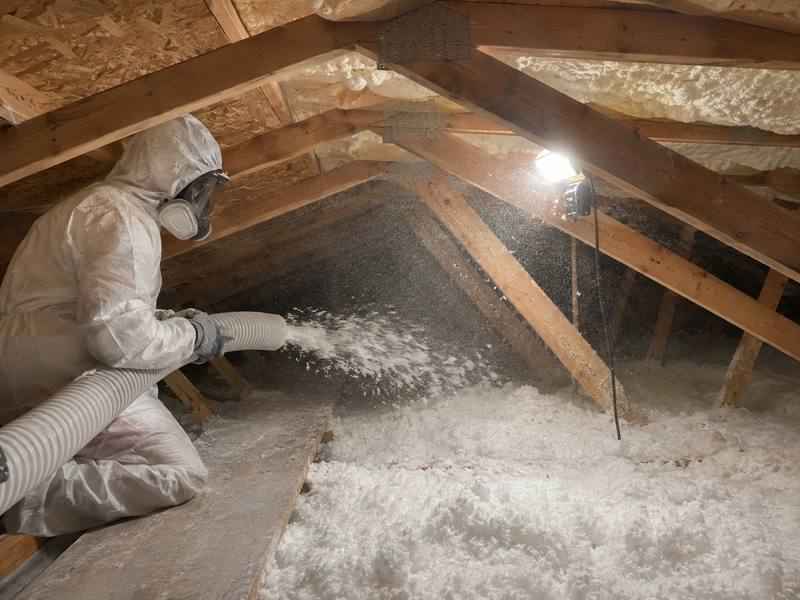
Blown-In Insulation
Loose fibreglass or cellulose, blown across your attic floor once the ceiling is sealed and the eaves have baffles.
Learn more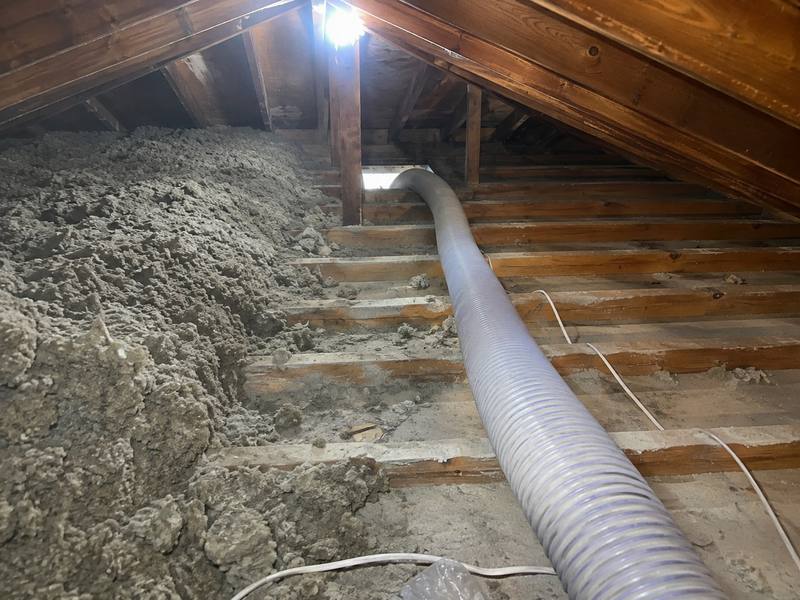
Attic Insulation Removal
We vacuum out old insulation that is wet or damaged by rodents, seal the bare ceiling, then blow new insulation in to full depth.
Learn more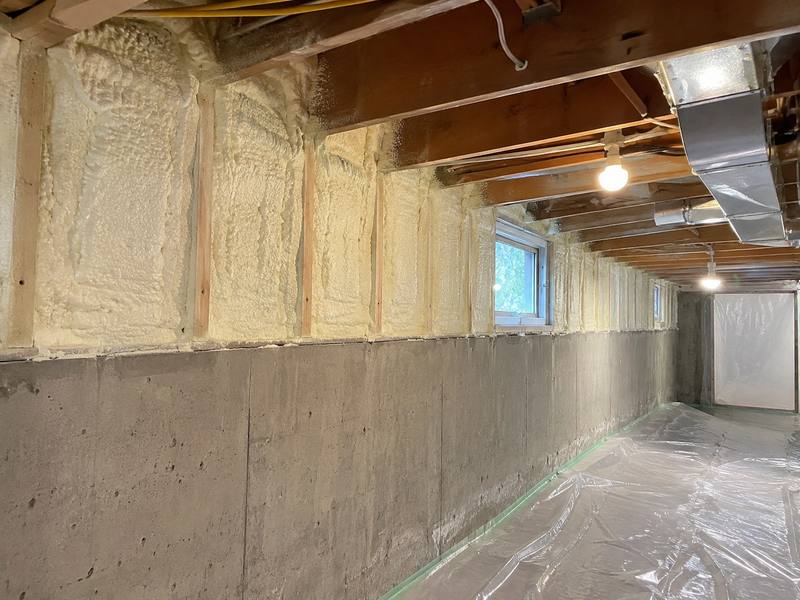
Spray Foam Attic Insulation
Foam for sloped ceilings, knee walls and rim joists. Blown-in wherever an open attic floor will take it.
Learn more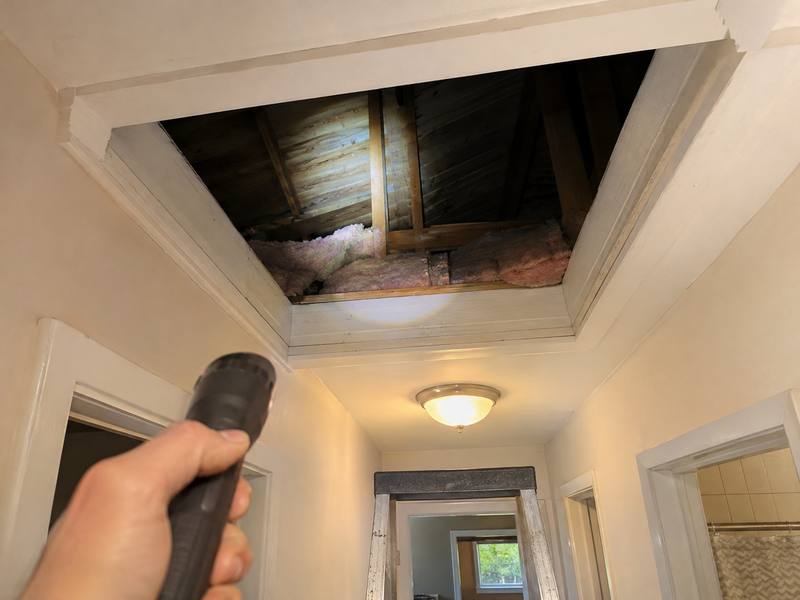
Attic Insulation Rebates & Cost
How the Home Renovation Savings rebate works for an attic job, and what sets the price of the work.
Learn more
Get a quote
Book an attic insulation inspection in North York
Call (437) 525-3774 or send the form. We'll look in your attic, tell you what it needs and give you a written estimate.